
How casinos shape cultural perceptions around luck and chance
The Intersection of Culture and Gambling
Casinos have long been a focal point for discussions surrounding luck and chance, acting as microcosms of broader cultural beliefs. In various societies, the perception of luck can be deeply rooted in historical narratives, folklore, and individual experiences. As people engage with gambling, they often bring their cultural contexts, which influences how they interpret wins and losses. For example, in some cultures, luck is seen as a fickle force tied to fate, while others may view it as something that can be cultivated or influenced by rituals. This is evident in the way people might consider visiting top crypto casinos to enhance their gaming experiences.
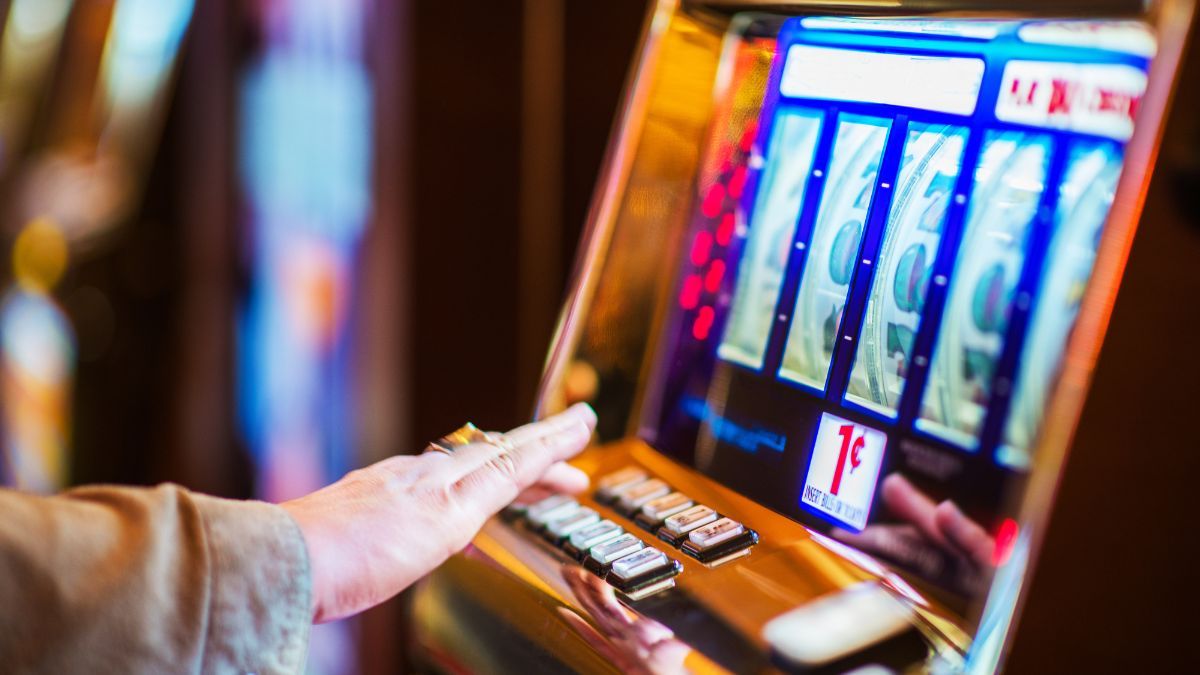
This intersection of culture and gambling creates a unique environment where beliefs about chance are continuously reinforced or challenged. Casinos, therefore, not only serve as venues for betting but also as platforms for sharing stories and traditions that shape perceptions of luck. This process can often create a communal understanding of what it means to be «lucky» or «unlucky,» significantly impacting how individuals approach gambling and other life situations.
The Psychological Impact of Gambling Environments
The design and ambiance of casinos play a crucial role in shaping perceptions around luck and chance. From the vibrant colors to the sounds of spinning wheels and clinking coins, the atmosphere is carefully curated to elicit specific emotions. These sensory experiences can heighten feelings of excitement and anticipation, which can lead to a distorted perception of luck. Patrons may find themselves attributing their outcomes to luck rather than recognizing the inherent randomness of gambling.
Moreover, the psychological aspect of risk-taking is amplified in these environments. People often misjudge probabilities, leading them to believe they have more control over their fate than they actually do. This cognitive bias can encourage repetitive gambling behavior, reinforcing the belief in personal luck, and further entrenching the cultural narrative surrounding chance. As gamblers continue to engage with these environments, their perceptions of luck and chance evolve, often becoming intertwined with personal identity.
Media Representation and Cultural Narratives
The portrayal of casinos and gambling in media significantly influences public perceptions of luck and chance. Films, television shows, and literature often glamorize the notion of hitting the jackpot or experiencing a life-changing moment due to a single gamble. These narratives not only entertain but also shape societal views on what it means to be lucky. Characters who win big often become symbols of hope and aspiration, suggesting that luck is merely a roll of the dice away.
Conversely, media can also highlight the darker sides of gambling, showcasing stories of loss and addiction. These narratives serve as cautionary tales, shaping cultural discussions around risk and the repercussions of relying too heavily on luck. This dual representation creates a complex understanding of gambling within society, making it essential for individuals to navigate their perceptions carefully.
Rituals and Superstitions in Gambling
Rituals and superstitions play a significant role in how individuals approach gambling, often rooted in cultural beliefs. Many gamblers engage in specific behaviors or follow particular routines they believe enhance their luck. These can range from wearing lucky clothing to performing certain actions before making a bet. Such practices are often passed down through generations, forming a rich tapestry of tradition that reinforces the cultural perception of luck.
The prevalence of these rituals highlights the human tendency to find meaning and agency in uncertain situations. In a casino, where outcomes are largely random, these rituals provide a sense of control and comfort, allowing individuals to cope with the unpredictable nature of chance. As these practices are observed and discussed within communities, they contribute to a collective understanding of luck, further shaping cultural narratives surrounding gambling.

Exploring More on the Topic
To delve deeper into the complexities of how casinos shape cultural perceptions around luck and chance, it is essential to explore various perspectives and insights. This exploration can enhance our understanding of the intricate relationship between gambling and cultural beliefs. By examining these dynamics, one can appreciate the multifaceted nature of luck and chance, acknowledging the diverse ways different societies interpret these concepts.
Engaging with this topic not only enriches our knowledge but also invites us to reflect on our own beliefs and behaviors surrounding luck. The ongoing conversation about casinos and their cultural implications continues to evolve, reflecting broader societal changes and challenges. Understanding these nuances can lead to more informed discussions and a greater appreciation for the role of chance in our lives.